
Choose a wearer and use context
Name when, where, and how the clothing is worn. That context changes length, layering, movement, care, climate, price, and material choices.
Give silhouette and fabric different jobs
Use silhouette references to compare proportion and movement. Use real swatches or supplier evidence to judge weight, texture, stretch, drape, care, and availability.
Carry color by proportion
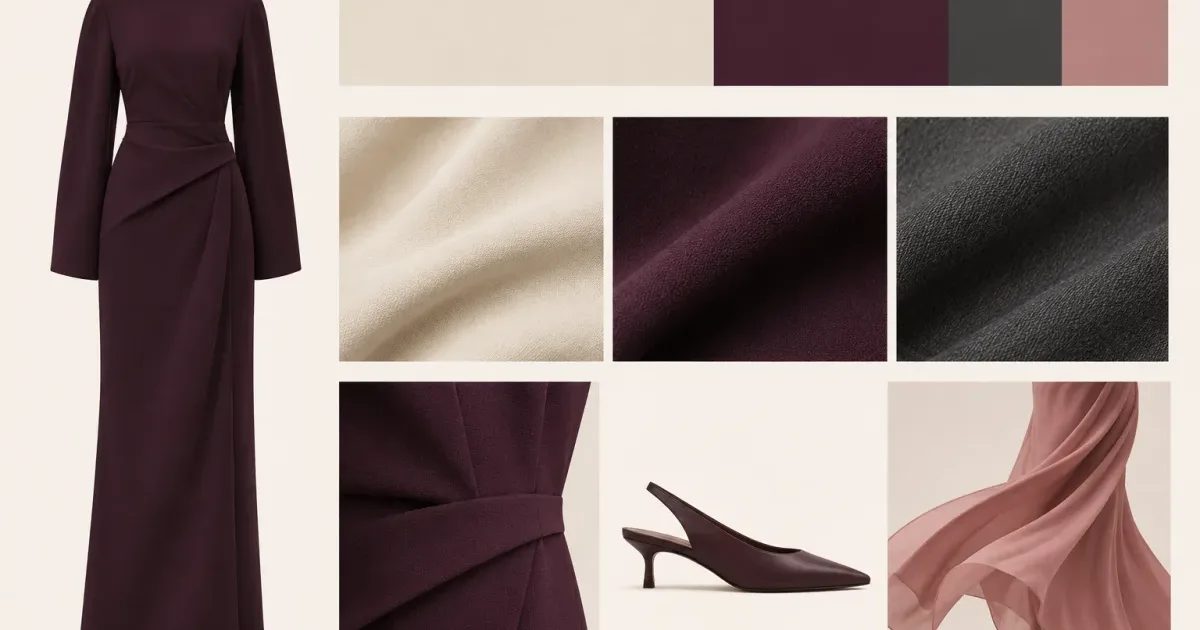
Show dominant, supporting, and limited accent color according to likely garment area. Equal swatches can make a small accent look like half the collection.
Evidence to collect before review
- Target wearer and use context
- Silhouette family and movement
- Fabric, trim, care, and availability
- Color proportion and construction details
Signals that a fashion board is not ready for development
Pause when the board is mostly editorial poses, the intended wearer is unclear, color chips have no proportion, or fabrics are shown without weight and movement. Repeated runway references can create resemblance risk while adding little construction evidence. The board needs an original collection thesis plus enough practical information to begin sketching, sourcing, and sampling.
Questions for the decision review
Judge the board against the collection plan, not against a single dramatic image.
Use evidence, not preference
- Can the silhouette family be recognized without relying on color?
- Which fabric behavior supports each shape?
- How does the palette divide across garments, details, and styling?
- Which reference must be replaced by an original sketch or verified supplier sample?
Connect the board to the line plan
For each proposed look, note category, silhouette, key fabric, color, construction question, size or fit issue, and sample status. Link swatches to supplier references and care information. Keep inspiration separate from original design drawings so the development team can trace decisions without copying a photographed garment.
What this template does not prove
The collage cannot prove fit, drape, comfort, care, sourcing, labor conditions, or production cost. Use toile, fitting, fabric, and supplier evidence before a collection is approved.
Move from references into collection development
Check the thesis, wearer, silhouette, fabrication, and color proportions together. Use the fashion direction readiness check, then record reference status in the fabric and reference source record.