
Begin with story function
Describe what the character wants, what limits them, how others read them, and which change the design needs to support.
Broaden the source field
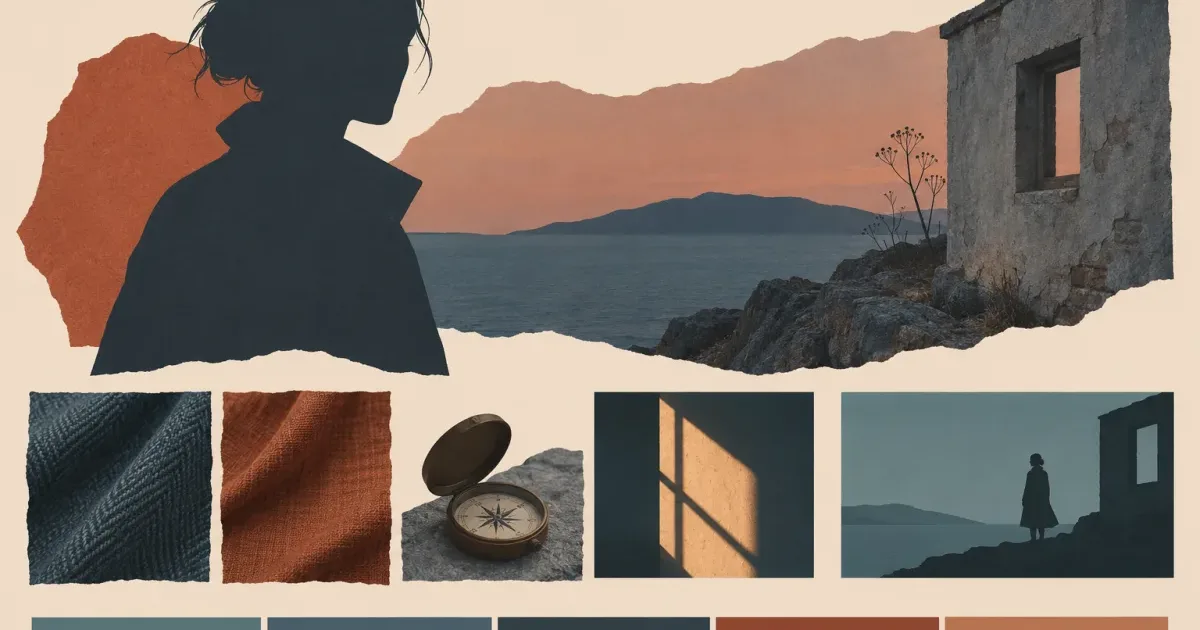
Research real periods, occupations, environments, materials, gesture, and objects. Avoid building the entire direction from existing fictional characters.
Move into original development
Translate the reference principles into independent sketches, then review silhouette, cultural context, practical movement, and resemblance before approval.
Evidence to collect before review
- Story role and emotional range
- Original silhouette and gesture
- Wardrobe, object, and environment logic
- Source and resemblance review
Reference habits that weaken character originality
Rebuild the board if it depends on one famous character, uses only finished entertainment artwork, or combines recognizable costume parts without explaining their story function. Surface adjectives cannot replace role, behavior, environment, and change. Each reference should point to a principle that can be transformed through original drawing and production research.
Questions for the decision review
Review story logic and resemblance separately so a coherent direction is not mistaken for an original design.
Use evidence, not preference
- What story function does each visual choice support?
- Would the silhouette still communicate without a familiar prop?
- Which references come from real material, occupation, place, or period research?
- What must change to reduce resemblance and improve cultural or production accuracy?
Move from evidence into original character sheets
Create original silhouette, gesture, expression, wardrobe, object, and environment studies outside the mood board. Cite the research principles that informed each study and record open questions for costume, movement, setting, and cultural review. The approved board should guide development while the character sheets contain the actual design.
What this template does not prove
References do not establish an original character. The design still needs independent sketches, cultural review, movement tests, production development, and a documented resemblance check.
Review story evidence and originality
Separate narrative usefulness, production feasibility, and resemblance risk before development. Use the character direction evidence check, then record reference status in the story reference provenance log.