
Three project structures that should not look alike
An event needs a time sequence, a story project needs character and setting logic, and a collection needs silhouette and fabrication. The project changes the board structure before any images are chosen.
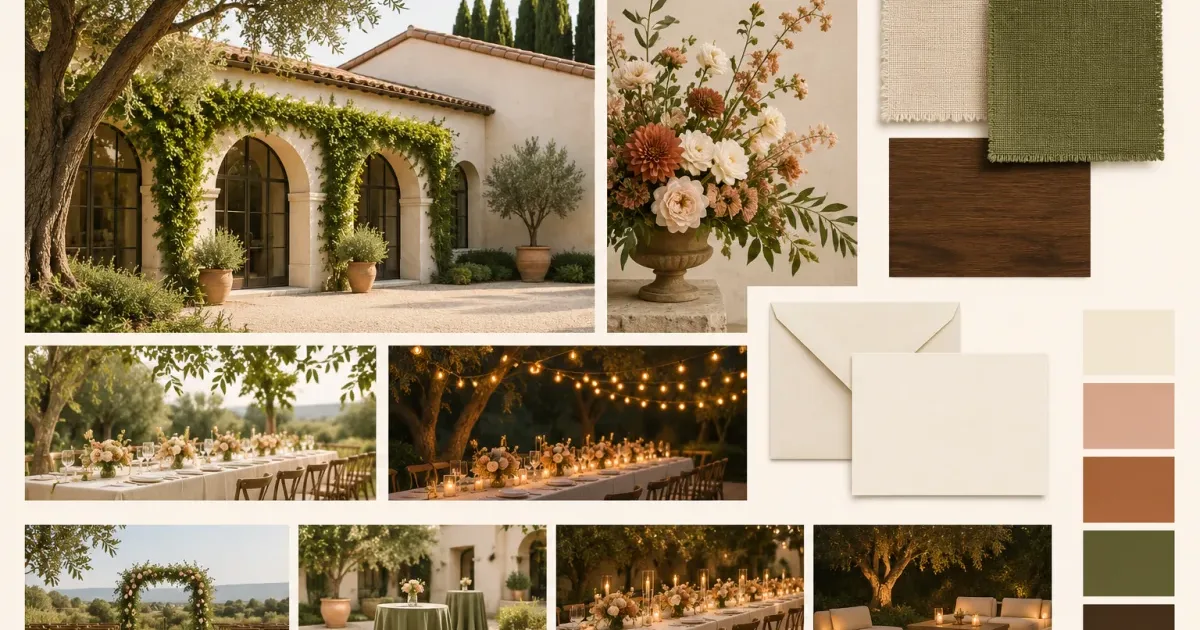
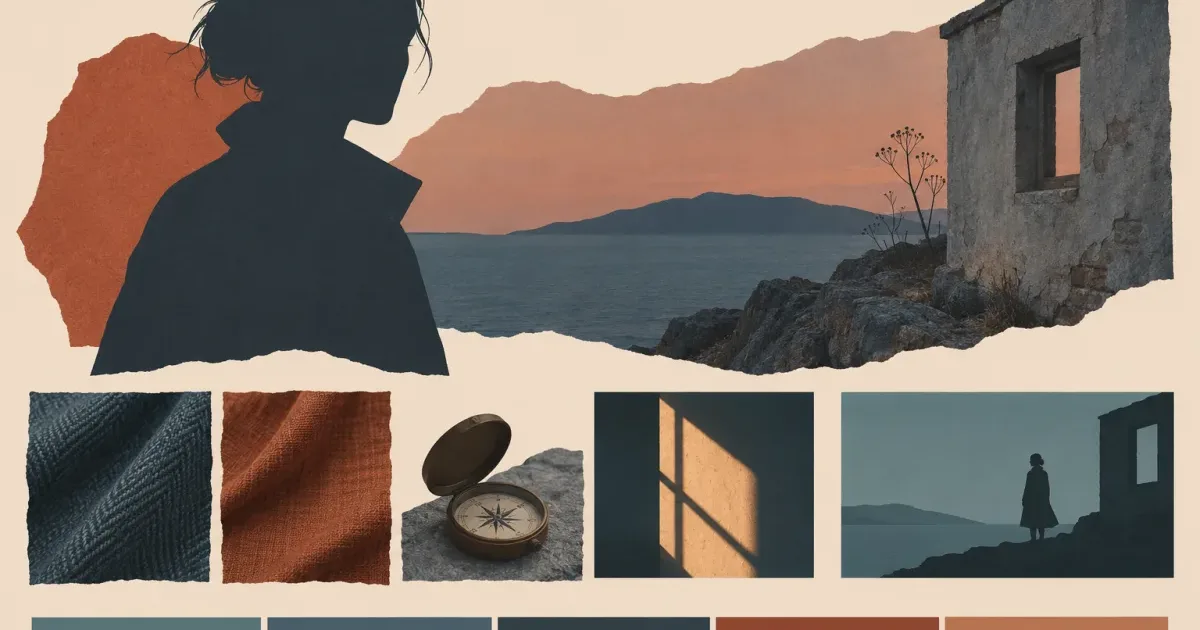
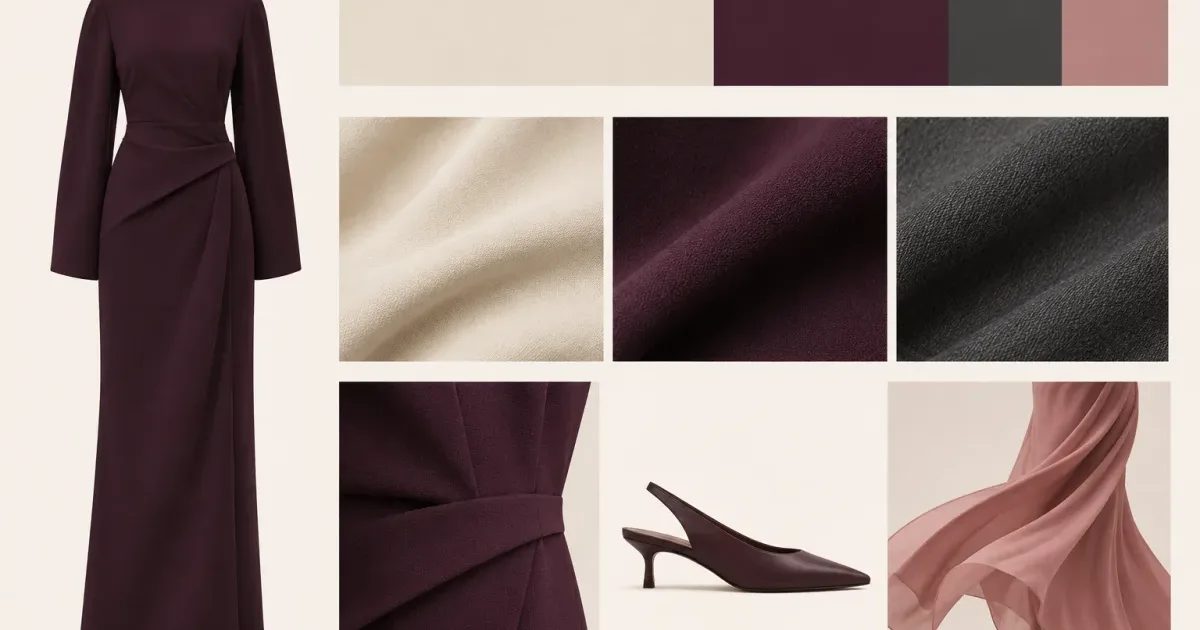
For spaces, organize ideas around use and conditions
A kitchen board can compare worktop, cabinet, floor, splashback, hardware, task light, and cleaning needs. A living room board can map circulation, seating relationships, storage, daylight, evening use, and textiles. Start with photographs and dimensions from the real room.
For brands and interfaces, test a complete system
Collect audience context, typography, image behavior, functional color roles, hierarchy, controls, and difficult states. Test the direction with a long heading, error message, dense card, narrow screen, and keyboard focus instead of approving isolated swatches.
For stories and campaigns, build a sequence
Photography, film, editorial, and event boards benefit from an opening, development, detail, transition, and closing rhythm. Add production facts such as location, time of day, output ratios, subject direction, weather, and rights.
For fashion and products, connect appearance to behavior
Pair silhouette, fabrication, scale, controls, movement, care, packaging, and after-use context. Replace a reference when it cannot translate to the wearer, user, material, budget, or production method available.
Turning a vague cafe idea into a board
Instead of searching for cozy cafe images, the owner asks how a small counter-service space should feel during the morning rush. The board compares queue visibility, menu reading, warm task light, wipeable surfaces, cup presentation, acoustic treatment, and one quiet seating edge.
A limit to keep visible
An idea becomes useful only when it answers the real brief. Do not copy another board's style, assets, or priorities when the audience, place, constraints, and decision are different.
Practical checklist for this decision
- Choose one project and decision.
- Collect different evidence jobs, not visual duplicates.
- Add real constraints and output conditions.
- End with a test, approval, or next action.
Questions about mood board ideas by project and decision
Should a mood board have a theme?
It can, but the theme should translate into observable choices and project evidence.
How many ideas belong on one board?
Keep one coherent direction per board. Compare separate boards when the ideas lead to genuinely different choices.
Methods connected to mood board ideas by project and decision
- Mood Board Examples Explained by the Decisions They Support
- Mood Board Layout Principles for Clear Visual Hierarchy
- Free Mood Board Maker method
Find another focused answer
Browse Project applications articles related to Mood Board Ideas by Project and Decision.