
Read six boards as decision records
Each board below solves a different planning problem. Compare the proportion, evidence categories, practical context, and remaining validation instead of borrowing its surface appearance.
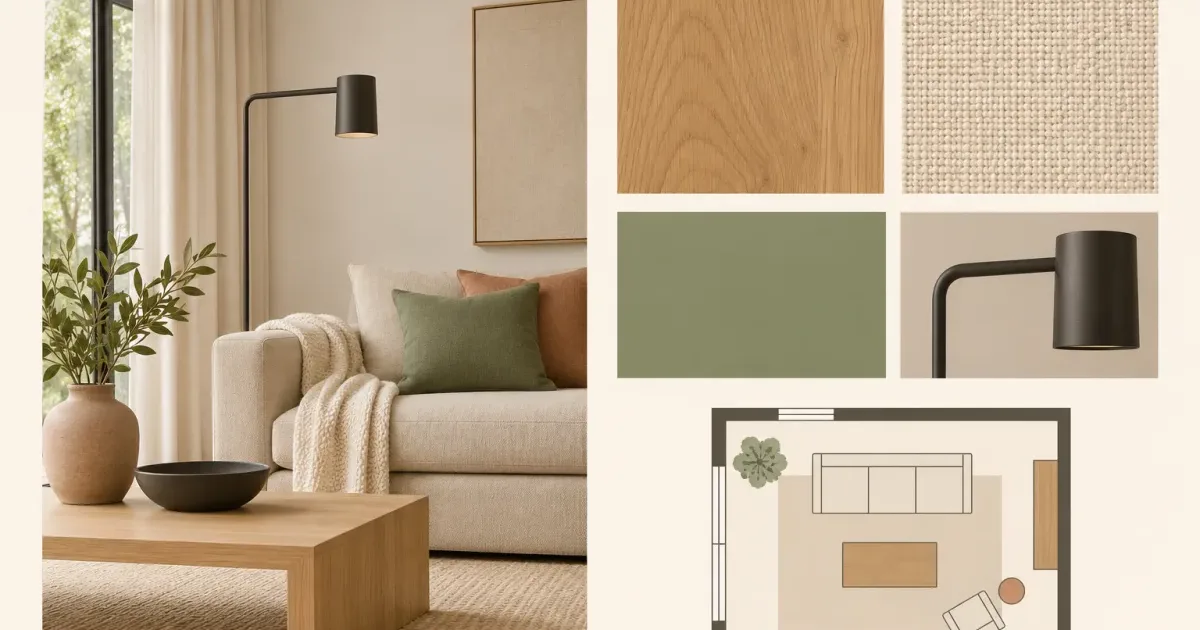
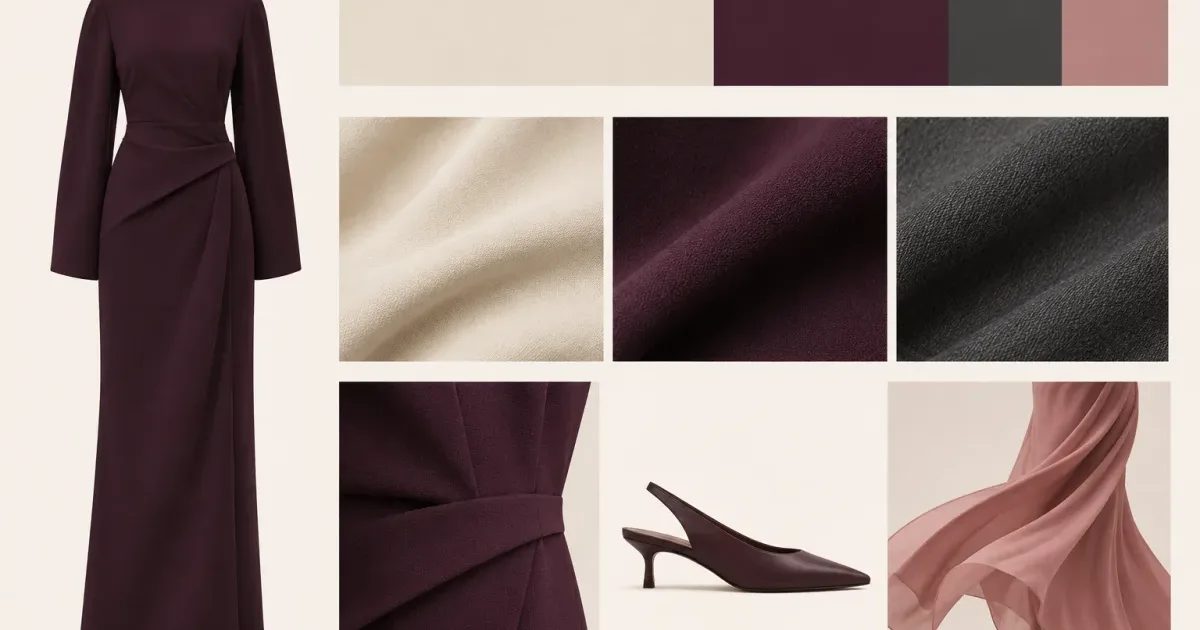
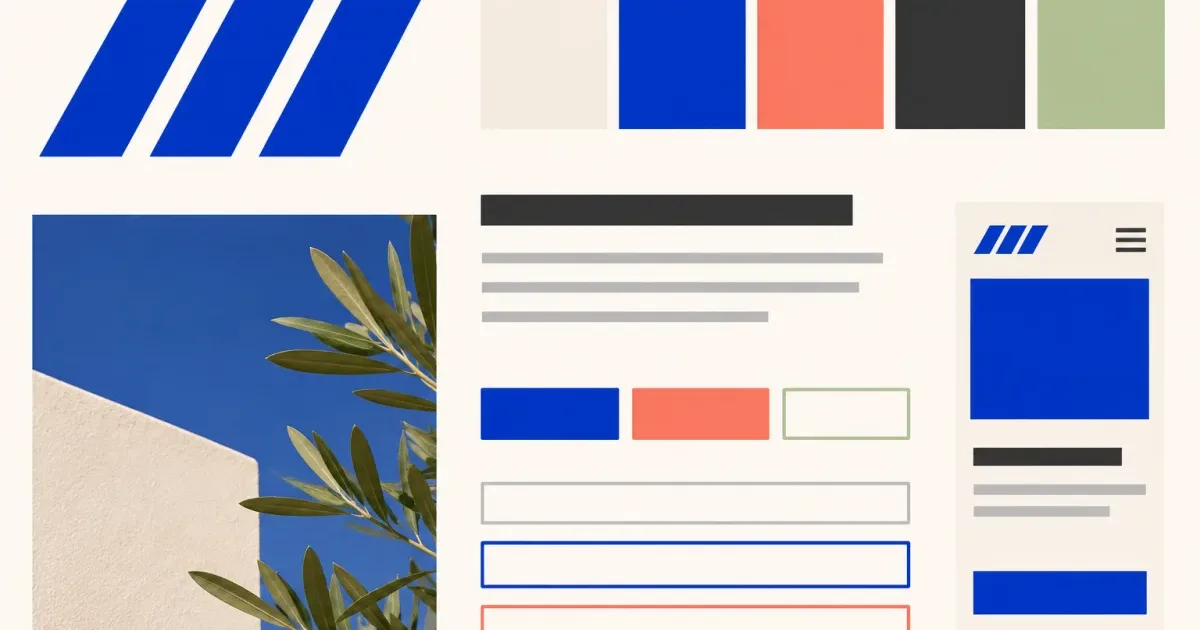
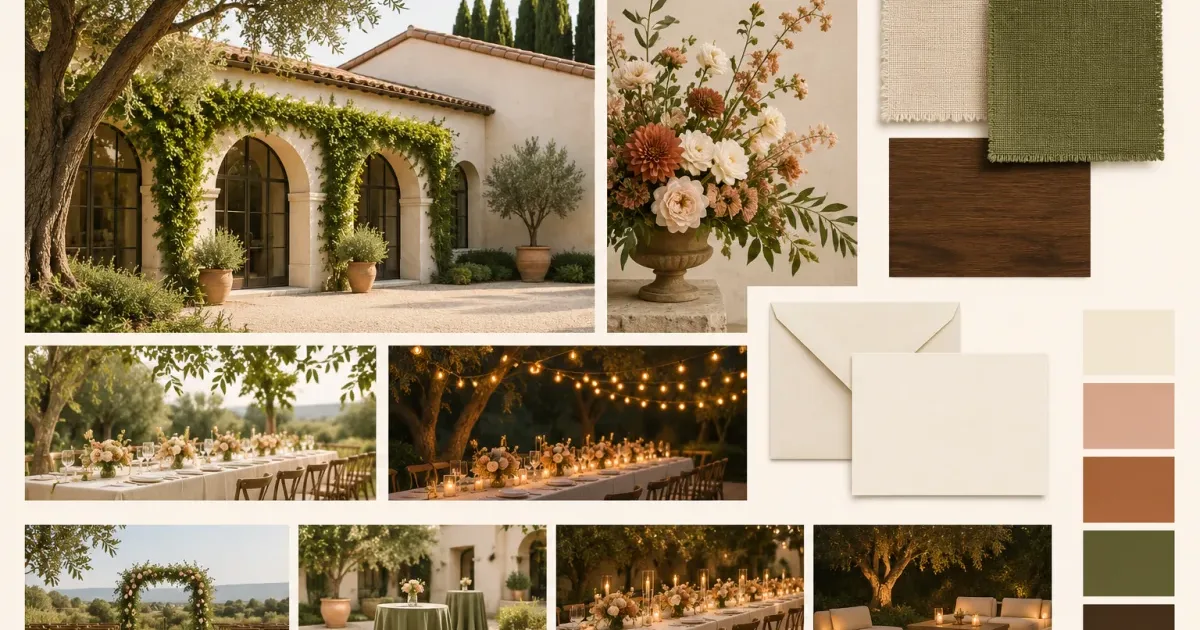

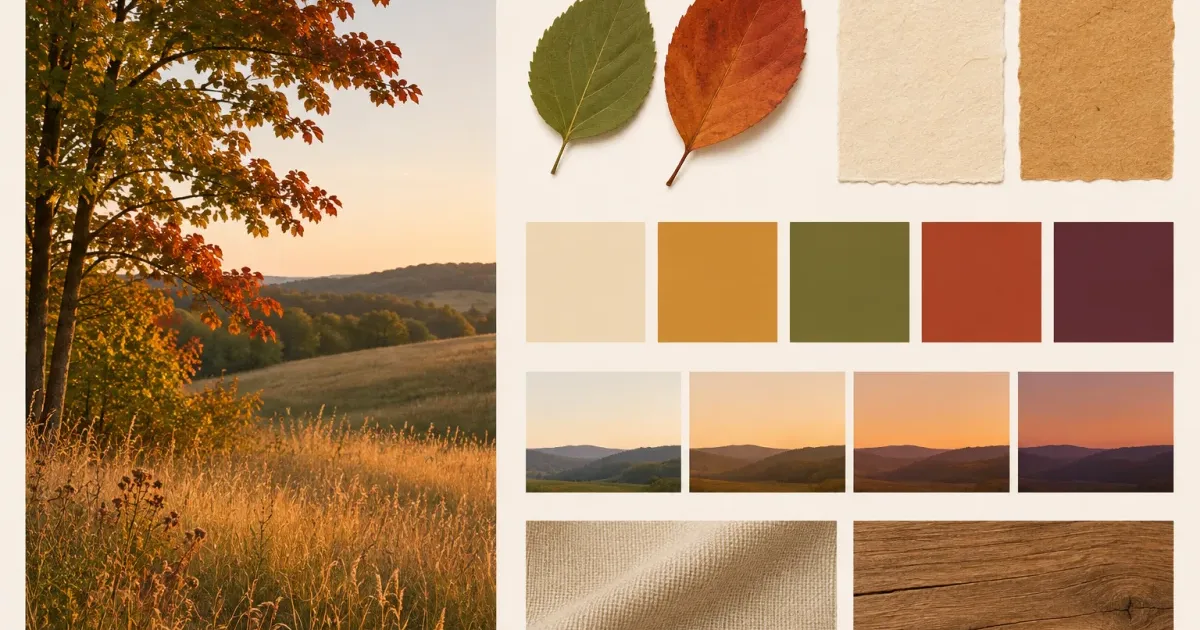
Compare every original example, its limits, and the next evidence check.
Read the brief before judging the collage
Ask who will use the board, what they must choose, and which constraints already exist. The same quiet neutral images can support an interior material decision, a brand voice, or a photography treatment, but the evidence required is different.
Identify the evidence groups and visual hierarchy
Look for groups covering color, material, type, composition, behavior, context, or sequence. Notice which reference receives the most area and whether that prominence matches the written thesis. Equal image sizes often indicate comparison rather than a selected direction.
Find the handoff hidden behind the example
A strong example should lead to a sample order, design test, shot list, palette, prototype, or approval record. If the board produces no next decision, treat it as inspiration rather than a complete method to copy.
Reading a restaurant board
Large images show warm evening light and closely spaced shared tables. Smaller groups show uncoated menus, dark readable type, ceramic texture, and a sheltered entrance. The next decisions concern lighting tests, table spacing, menu stock, and wayfinding, not recreating one photograph.
Practical checklist for this decision
- Identify the decision owner.
- Name each evidence group.
- Explain the dominant reference.
- Find the next practical output.
Questions about mood board examples explained
Can a beautiful board still be weak?
Yes. It may lack a defined decision, practical constraints, source notes, or evidence that can guide production.
Should an example be copied exactly?
No. Study its reasoning and translate relevant principles into original work for the real context.
Methods connected to mood board examples explained
- How to Make a Mood Board That Guides Real Decisions method
- Practical mood board layout principles for clear visual hierarchy
Find another focused answer
Browse Mood board method articles related to Mood Board Examples Explained.